
List

Type
Category
Audience
Tags

Why We Remember

Charan Ranganath

A new understanding of memory is emerging from the latest scientific research. In Why We Remember, pioneering neuroscientist and psychologist Charan Ranganath radically reframes the way we think about the everyday act of remembering. Combining accessible language with cutting-edge research, he reveals the surprising ways our brains record the past and how we use that information to understand who we are in the present, and to imagine and plan for the future.
View Details >>

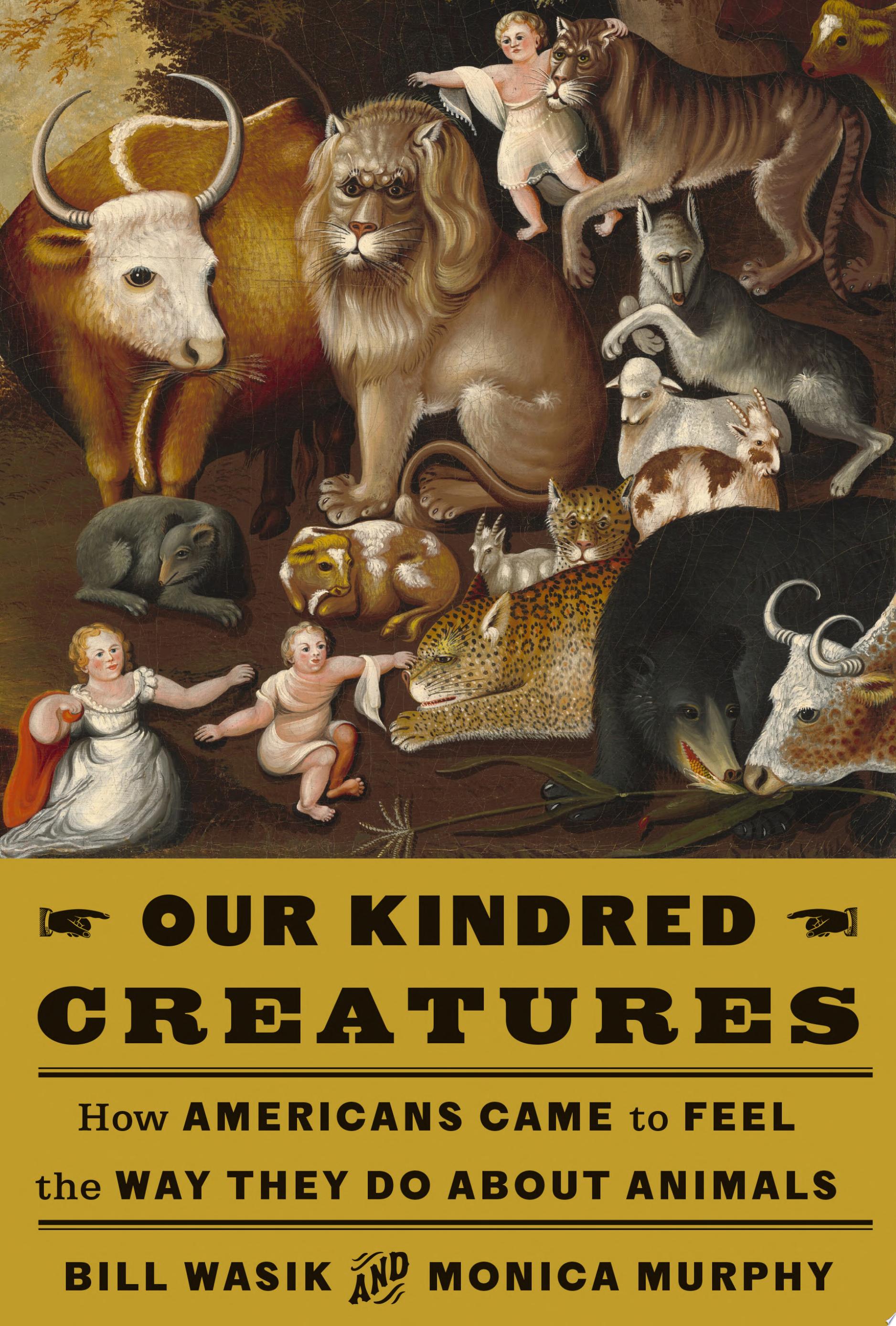
Our Kindred Creatures

Bill Wasik

Over just a few decades at the end of the nineteenth century, the United States underwent a moral revolution on behalf of animals. Before the Civil War, animals' suffering had rarely been discussed. But in 1866, a group of activists began a dramatic campaign to change the nation’s laws and norms, and by the century’s end, most Americans had adopted a very different way of thinking and feeling about the animals in their midst. On the side of reform were such leaders as George Angell, the inspirational head of Massachusetts’s animal-welfare society and the American publisher of the novel Black Beauty; Henry Bergh, founder of the American Society for the Prevention of Cruelty to Animals; Caroline White of Philadelphia, who fought against medical experiments that used live animals; and many more, including some of the nation’s earliest veterinarians and conservationists. Caught in the movement’s crosshairs were transformational figures in their own right: animal impresarios such as P. T. Barnum, industrial meat barons such as Philip D. Armour, and the nation’s rising medical establishment, all of whom put forward their own, very different sets of modern norms about how animals should be treated.
 

View Details >>